



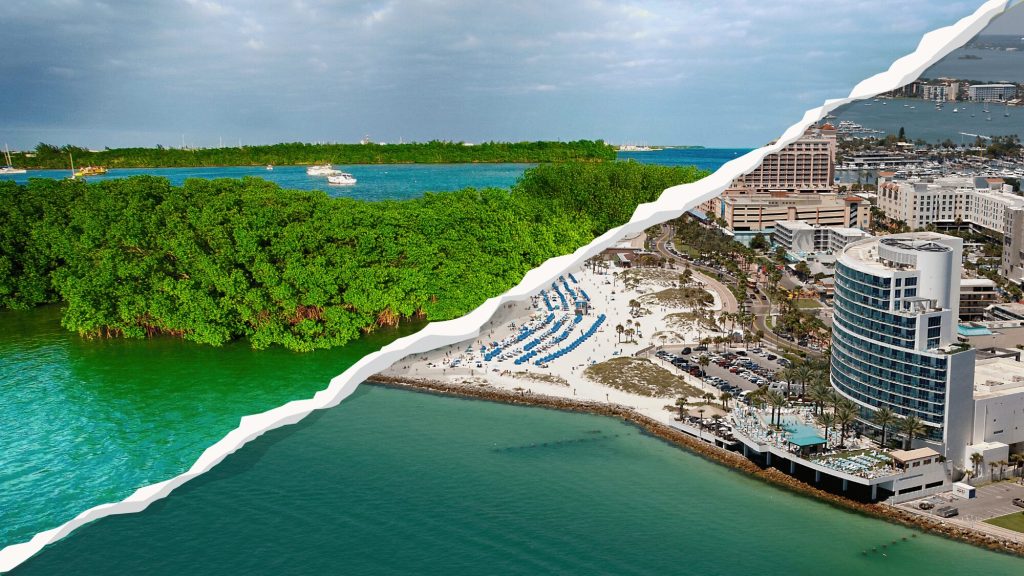
A quiet but sweeping change to the Endangered Species Act (ESA) landed this summer, and it carries real weight for the fragile ecosystems that make South Florida what it is. If you love our beaches, our springs, and the creatures that depend on them, this one is worth understanding.

For roughly half a century, the U.S. Fish and Wildlife Service leaned on something called the “blanket rule,” a default that automatically handed newly listed “threatened” species most of the same protections reserved for “endangered” ones. On July 21, 2026, the Service finalized a rule removing that blanket option, effective August 20, 2026. Going forward, the government must write a species-specific protection plan for each newly listed or reclassified threatened species, and weigh both conservation needs and economic impacts before those protections take effect. A companion rule makes it easier to factor economics into critical habitat decisions, part of a broader package the Interior Department framed as restoring the “original intent” of the law.
One important detail that often gets lost: the change is prospective. Species already protected under the blanket rule, manatees included, keep their current protections. The shift affects future listings and any future status changes. So what is the proper path forward for Florida’s wildlife under these new rules?
The Case for the Rollback: Rewarding Recovery
Supporters see the blanket rule as a blunt instrument, and its removal as a way to reward conservation that actually works. Groups like the Pacific Legal Foundation and the Property and Environment Research Center argue that treating a recovering “threatened” species exactly like a species on the brink offers no regulatory relief to the landowners, ranchers, and local groups whose work drove the recovery in the first place.
Our own West Indian manatee is the poster child for that argument. After bottoming out at just a few hundred animals in the 1970s, the population climbed high enough for the Service to downlist it from endangered to threatened in April 2017, citing roughly 6,600 Florida manatees at the time, with more recent estimates ranging higher. To proponents, tailoring protections species by species rewards that kind of progress and eases economic burdens without abandoning conservation. As one PERC representative put it in TIME, the blanket approach dulled the incentive for recovery by treating threatened and endangered species the same.
The red-cockaded woodpecker tells a similar story closer to home. This small black-and-white bird of the Southeast’s longleaf pine forests was one of the original endangered listings back in 1970, its habitat carved up by logging and decades of fire suppression. After five decades of prescribed burns and partnerships with private landowners, the Service reclassified it from endangered to threatened in late 2024. It is exactly the kind of comeback that supporters say a more tailored, species-by-species approach is meant to recognize and reward.

The Risk to Our Coastlines: A Sea Turtle Boom Worth Protecting
Here is where it gets personal for anyone who walks our shoreline at dawn. Critics worry that letting economics weigh more heavily against habitat protection is a gamble our coasts cannot afford, and 2026 is a vivid reminder of what is at stake.
Florida’s sea turtles are having a record-breaking nesting season. Despite Hurricanes Debby, Helene, and Milton tearing up beaches and washing away nests in 2024, the turtles have come roaring back. According to the FWC’s Fish and Wildlife Research Institute update in mid-May, loggerhead nests had already reached about 1,450, roughly 82% ahead of the same point last year. Leatherbacks logged 1,008 nests, an early-season high that outpaced their recent record years.
But this recovery is delicate. Sea turtle eggs need about 60 days of uninterrupted incubation in the sand, and hatchlings depend on dark, unobstructed beaches to find the water. Artificial lighting sends them the wrong way, often with fatal results. If the new federal framework nudges officials toward prioritizing development economics over habitat, it could get easier to chip away at the very beaches this comeback depends on.
The Limbo Problem
The bigger concern is timing. Under the old default, a newly listed threatened species got baseline protections the moment it was listed. Now those protections wait until the Service writes a species-specific plan, and with a heavy classification backlog, that gap could stretch out.

Consider the alligator snapping turtle, North America’s largest freshwater turtle, which the Service proposed listing as threatened back in 2021 and which still awaits a final rule. A species in that position could sit exposed to habitat loss or collection while its paperwork catches up. And the pressure on our marine life is not hypothetical: Florida’s pillar coral, already gutted by stony coral tissue loss disease, was reclassified from threatened to endangered in a rule that took effect in March 2025. Our reefs do not have time to spare.
Conservation groups are not letting the change go unchallenged. Earthjustice has filed a formal notice of intent to sue, and organizations like the Sierra Club have blasted the rollback, setting up a legal fight that will play out over the coming months.
The Verdict
So Florida sits in the crossfire. Does this new approach strike the proper balance, loosening the reins on species that are genuinely bouncing back? Or does inviting economics deeper into the equation put our most vulnerable coastlines and creatures at risk while the lawsuits sort themselves out?
I have my leanings, but this one is bigger than any of us. Tell me what you think the proper thing to do is in the comments below.
Sources
● Pacific Legal Foundation, statement supporting the repeal: pacificlegal.org
● U.S. Fish and Wildlife Service, final rule removing the blanket 4(d) option, Federal Register, July 21, 2026 (91 FR 45723): federalregister.gov
● U.S. Department of the Interior press release on the ESA rule package: doi.gov
● TIME, coverage of the rollback and reactions: time.com
● Sierra Club, statement opposing the rollback: sierraclub.org
● Earthjustice, 60-day notice of intent to sue over the blanket 4(d) repeal: earthjustice.org
● U.S. Fish and Wildlife Service, 2017 manatee reclassification: fws.gov
● U.S. Fish and Wildlife Service, 2024 downlisting of the red-cockaded woodpecker: fws.gov
● Good Good Good, Florida 2026 sea turtle nesting season (FWC data): goodgoodgood.co
● U.S. Fish and Wildlife Service, proposed listing of the alligator snapping turtle: fws.gov
● NOAA Fisheries, reclassification of pillar coral from threatened to endangered: fisheries.noaa.gov
Discover more from Properly Palmer
Subscribe to get the latest posts sent to your email.